Maximizing AI-Driven Product Recommendations for Ready-to-Buy Beauty Shoppers Using Hexagon
Unlock a 70% increase in AI-driven sales and cut manual content updates by half. Discover how beauty brands can dominate AI shopping assistants and capture ready-to-buy shoppers with Hexagon’s GEO platform.
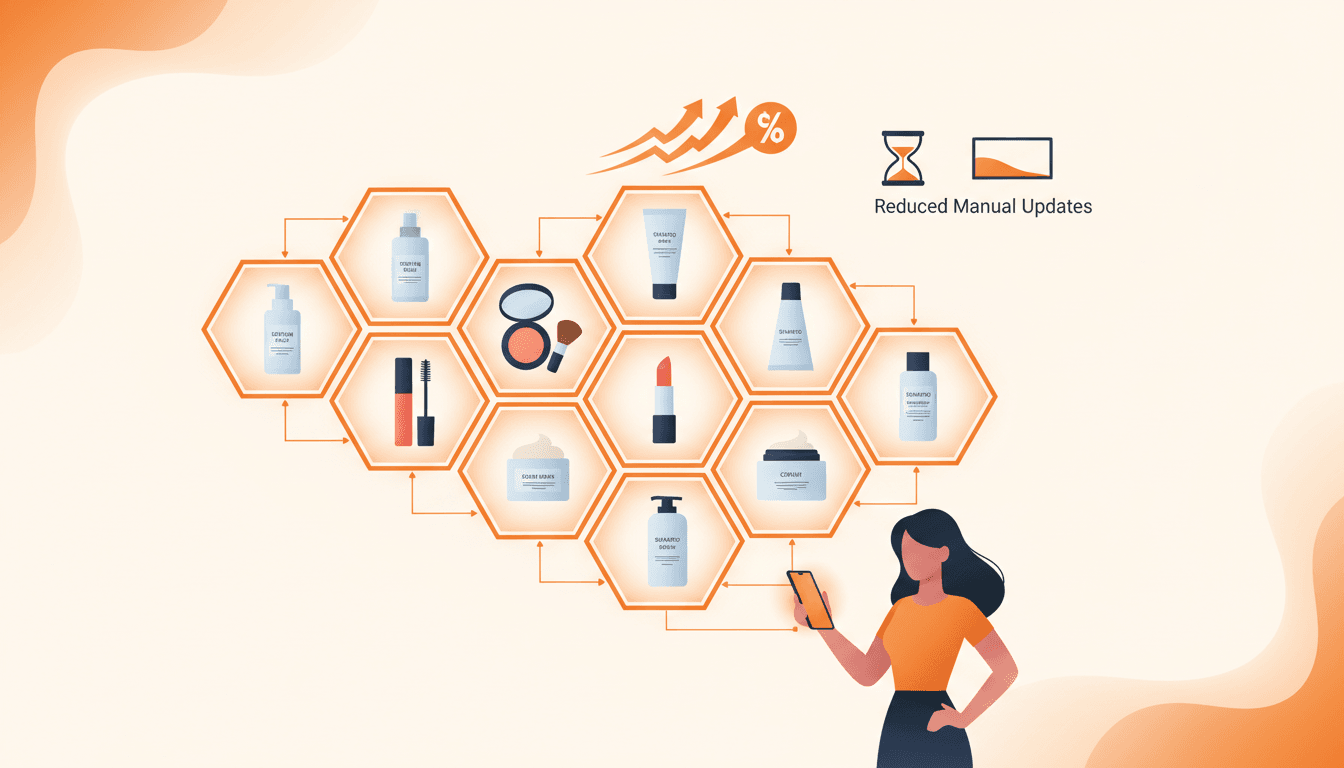
Maximizing AI-Driven Product Recommendations for Ready-to-Buy Beauty Shoppers Using Hexagon
Unlock a 70% surge in AI-driven sales while slashing manual content updates by half. Discover how beauty brands can dominate AI shopping assistants and capture ready-to-buy shoppers through Hexagon’s powerful GEO platform.
In the rapidly evolving world of beauty e-commerce, AI-driven product recommendations have become a critical factor in driving sales—especially when targeting shoppers who are ready to buy. Yet, many beauty brands find it challenging to stand out in the results generated by AI shopping assistants. Imagine boosting your AI-driven sales by 70% while cutting manual content updates in half. Hexagon’s GEO platform is revolutionizing how beauty brands optimize product data to seize these high-value shoppers. This guide reveals exactly how to maximize your AI product recommendations and accelerate growth with Hexagon.
Ready to transform your AI-driven product recommendations and capture more high-intent beauty shoppers? Book a personalized 30-minute consultation with Hexagon today.
Understanding the Power of AI-Driven Product Recommendations in Beauty E-Commerce
AI-driven product recommendations are reshaping the beauty e-commerce landscape at an unprecedented pace. Currently, these intelligent engines influence up to 35% of total e-commerce revenue, with an even more significant impact in the beauty and personal care sectors (McKinsey & Company).
For instance, 18% of Gen Z and Millennial beauty shoppers now discover products through AI assistants like ChatGPT and Perplexity, according to the Business of Fashion x McKinsey Beauty Report. This trend is accelerating, driven by digitally native consumers who expect hyper-personalized and intuitive shopping experiences.
Here’s how AI-driven recommendations are shaping beauty purchasing behavior:
- Ready-to-buy shoppers rely on AI assistants for quick, relevant product discovery.
- AI-powered commerce is redefining how brands connect with high-intent audiences, making structured data and optimized content the new competitive advantage.
- Personalized recommendations powered by AI can increase conversion rates by up to 92% for high-intent beauty shoppers (Accenture Personalization Pulse Check).
As Sophie Kim, Managing Director, Beauty & Luxury at McKinsey & Company, explains, “AI-powered commerce is transforming product discovery and recommendation. Brands that structure their data and content for AI visibility will gain a significant edge in capturing high-intent shoppers.”
For beauty brands, the takeaway is clear: optimizing for AI-driven recommendations is no longer optional—it’s essential for sustainable growth.
[IMG: Beauty shopper using an AI shopping assistant on her phone in a modern, well-lit setting]
How Beauty Brands Can Increase Visibility in AI-Driven Product Recommendations
To succeed in AI-driven commerce, beauty brands must ensure their products are both easily discoverable and highly recommended by AI shopping assistants. The key lies in optimizing product data structure and content specifically for AI comprehension.
Here’s how top brands are boosting their visibility in AI-driven recommendations:
- Optimize product data structure and descriptions: AI shopping assistants favor products with well-structured, clear, and benefit-oriented descriptions. According to Google AI Retail Insights, product descriptions optimized for AI are twice as likely to be recommended.
- Leverage conversational, benefit-focused content: By mirroring natural shopper queries—such as “best vitamin C serum for sensitive skin”—brands increase AI’s ability to surface their products. As Rajat Singh, VP, Digital Commerce Strategy at Accenture, points out, “AI-powered personalization is the new battleground in beauty e-commerce. Brands must ensure their product data is AI-ready to stay relevant with digitally native consumers.”
- Utilize rich media and structured data: AI recommendation engines prioritize product pages that include images, ingredient lists, and before-and-after photos. According to Gartner Digital Commerce Trends, these elements significantly boost recommendation likelihood.
Practical tactics for enhancing AI visibility include:
- Implementing schema markup for all key product attributes (ingredients, usage, benefits)
- Crafting concise, benefit-driven copy that directly addresses shopper intent
- Incorporating high-quality images and engaging videos
- Maintaining accurate, real-time product data
The brands winning in AI-driven recommendations are those investing in structured data, real-time content updates, and compelling product storytelling. As Megan Lee, Senior Analyst at Gartner, states, “Success in AI-driven recommendations comes from combining structured data, timely updates, and rich storytelling.”
[IMG: Product detail page with schema markup and rich media elements highlighted]
Hexagon GEO Platform Features That Capture High-Intent Beauty Shoppers
Beauty brands seeking a competitive advantage in AI-driven product recommendations are turning to Hexagon’s GEO platform. Designed specifically for the modern AI commerce landscape, GEO automates and optimizes every aspect of product data management to maximize AI visibility.
Key Features Delivering Measurable Results
- Automated schema markup and real-time syncing: GEO integrates seamlessly with major AI shopping APIs, ensuring your product data is always current and AI-ready (Hexagon Product Documentation).
- Data optimization tailored for AI assistants: The platform structures product information for maximum discoverability in AI shopping results—not just traditional search engines.
- Significant reduction in manual content update time: Brands using Hexagon’s schema optimization report a 50% decrease in manual updates, speeding up time-to-market for new launches (Hexagon User Survey 2024).
- Comprehensive analytics dashboard: Hexagon offers SKU-level visibility into AI search performance and conversion metrics, empowering brands to make data-driven decisions.
Here’s the business impact these features bring:
- 70% average uplift in AI-driven sales within six months for beauty brands leveraging Hexagon (Hexagon Internal Data).
- 55% increase in organic AI-driven traffic across more than 100 beauty brands, thanks to prioritized AI shopping placements (Hexagon Client Performance Report).
- Real-time content updates remove delays between product launches and AI visibility, enabling marketing teams to remain agile and responsive.
As Julia Martinez, E-commerce Director at GlowUp Cosmetics, shares, “Hexagon’s GEO platform ensures our product pages are optimized not just for search engines but for AI shopping assistants, which now drive a major portion of our sales growth.”
For beauty brands aiming to capture high-intent, ready-to-buy shoppers, Hexagon’s GEO platform offers a proven and scalable solution.
[IMG: Hexagon GEO platform dashboard showing SKU-level AI visibility and sales analytics]
Ready to transform your AI-driven product recommendations and capture more high-intent beauty shoppers? Book a personalized 30-minute consultation with Hexagon today.
Step-by-Step Guide to Optimizing Product Descriptions for AI Shopping Assistants
Optimizing product descriptions for AI-driven commerce blends art and science. Below is a step-by-step approach that combines best practices with Hexagon’s automation capabilities.
1. Incorporate Structured Data and Schema Markup
Structured data is essential for AI shopping assistants to accurately understand and recommend your products. Apply schema markup to highlight:
- Key product attributes: Ingredients, skin/hair type, benefits, usage directions
- Certifications: Vegan, cruelty-free, dermatologist-tested, and more
- Pricing and availability: Accurate, up-to-date information
Product descriptions enriched with structured data and rich media are twice as likely to be surfaced by AI assistants for ready-to-buy shoppers (Google AI Retail Insights).
2. Use Conversational Language
Reflect how customers naturally phrase their beauty-related questions. Examples include:
- “What is the best retinol serum for sensitive skin?”
- “Which shampoo is sulfate-free and color-safe?”
AI shopping assistants favor content that closely matches user intent and query language.
3. Highlight Benefits and Unique Selling Points Clearly
Both shoppers and AI engines prioritize clear, benefit-driven, and easy-to-scan information. Your copy should be:
- Concise: Focus on unique qualities in 2-3 impactful sentences.
- Benefit-oriented: Emphasize results, sensory experiences, or problem-solving features.
For example, instead of “Our moisturizer contains hyaluronic acid,” say “Hydrates deeply with hyaluronic acid for visibly plumper, smoother skin in just 7 days.”
4. Add Rich Media: Images and Videos
AI recommendation engines rank product pages higher when they include:
- High-quality images: Multiple angles, ingredient close-ups, texture shots
- Before/after photos: Visual proof of product efficacy
- Short videos: Tutorials or explainer clips demonstrating usage
Pages enriched with rich media consistently achieve higher AI recommendation potential (Gartner Digital Commerce Trends).
[IMG: Example product page with schema markup, conversational copy, and rich media]
5. Leverage Hexagon’s Automation Tools
Hexagon automates schema markup application and real-time syncing with AI shopping APIs, which means:
- No more manual updates for each product launch or ingredient change
- Consistent, AI-optimized product data across all sales channels
- Faster go-to-market timelines and reduced workload on content teams
Streamline your optimization workflow with Hexagon by:
- Uploading core product data to the GEO platform
- Utilizing built-in templates for conversational, benefit-focused descriptions
- Allowing automated schema markup to handle the technical details
- Instantly syncing updates with AI shopping platforms like ChatGPT and Perplexity
In summary:
- Structured data and schema markup are essential for AI visibility
- Conversational, benefit-led content wins AI recommendations
- Rich media enhances engagement and AI ranking
- Hexagon automates and accelerates the entire optimization process
[IMG: Workflow illustration of Hexagon automating product data optimization for AI shopping assistants]
Measuring Success: Using Hexagon Analytics to Track AI Recommendation Performance
After optimizing your product data and content, continuous measurement is crucial to maximize AI-driven sales. Hexagon’s analytics suite offers detailed insights into your products’ performance across AI shopping assistants.
Key Metrics to Monitor
- SKU-level AI search visibility: Understand which SKUs appear most frequently in AI-driven recommendations.
- Conversion rates: Compare how AI-recommended products convert compared to traditional search or paid ads.
- Traffic sources: Track the proportion of organic AI-driven traffic and its contribution to overall sales.
Hexagon analytics deliver actionable insights into AI visibility and conversion, enabling brands to double down on successful strategies.
Actionable Steps for Continuous Improvement
- Focus on high performers: Invest more in content and rich media for SKUs already ranking well in AI results.
- Optimize lower performers: Use analytics to refine descriptions, update schema markup, or add rich media for products with weak AI visibility.
- Integrate with broader KPIs: Align AI visibility metrics with marketing and sales dashboards for a comprehensive growth overview.
Consistent investment in data structure and integration is key to staying ahead in AI-driven commerce. Brands leveraging Hexagon’s analytics can adapt strategies in real-time, ensuring sustained success.
[IMG: Screenshot of Hexagon analytics dashboard showing AI-driven search visibility and conversion metrics for beauty SKUs]
Future-Proofing Your Beauty Brand in the Age of AI-Driven Commerce
The pace of change in AI-powered commerce is accelerating—and beauty brands must adopt agile, data-driven strategies to maintain their edge.
Here’s how to future-proof your brand with Hexagon:
- Monitor emerging AI shopping platforms: Stay informed about new entrants and evolving APIs to keep your products visible where shoppers search.
- Invest in ongoing data optimization and personalization: Continually refresh product data, schema, and content to meet evolving AI standards and consumer expectations.
- Leverage Hexagon’s GEO platform: Benefit from seamless integration, real-time updates, and analytics-driven decision-making.
- Adopt agile content workflows: Use automation to accelerate product launches and marketing campaigns, cutting manual workloads by 50% and speeding time-to-market.
Staying competitive requires continuous dedication to data structure, content optimization, and AI platform integration. Hexagon equips beauty brands to move swiftly, adapt to new AI technologies, and sustain growth in an increasingly competitive market.
[IMG: Beauty brand marketing team collaborating around a screen displaying AI commerce analytics]
Conclusion: Dominate AI-Driven Recommendations and Capture Ready-to-Buy Beauty Shoppers
The future of beauty e-commerce belongs to brands that fully embrace AI-driven product recommendations. With up to 35% of e-commerce revenue influenced by AI engines and 18% of Gen Z and Millennial shoppers discovering products via AI assistants, the opportunity is immense.
Hexagon’s GEO platform empowers beauty brands to:
- Boost AI-driven sales by 70% within six months
- Cut manual content update time by 50%
- Increase organic AI-driven traffic by 55%
By optimizing product data, leveraging automation, and tracking critical metrics, your brand can capture more ready-to-buy beauty shoppers and fuel lasting growth.
Ready to see how Hexagon can transform your AI-driven product recommendations? Book your personalized 30-minute consultation now.
[IMG: Confident beauty brand marketer reviewing Hexagon GEO performance report with a team]
Hexagon Team
Published May 13, 2026