How to Accelerate High-Intent E-Commerce Sales Using Hexagon’s GEO Platform
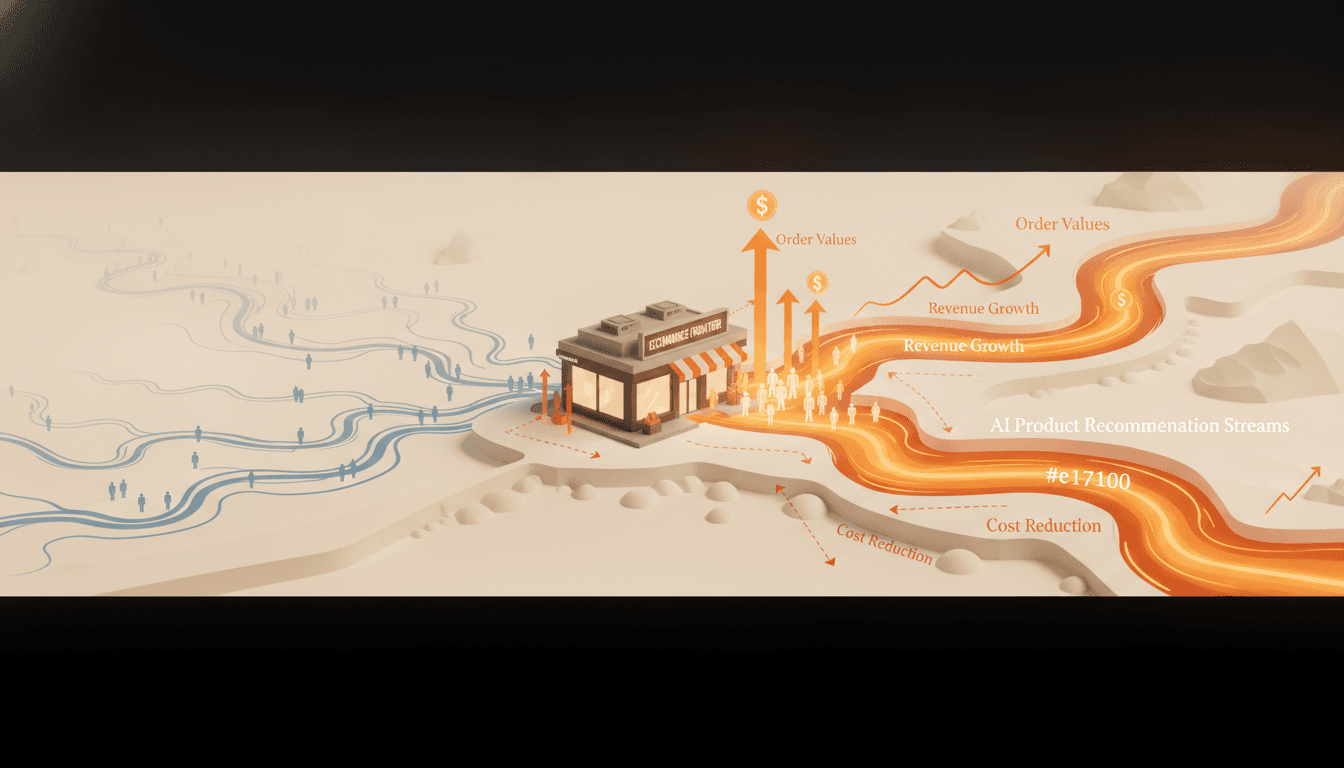
Discover how Hexagon’s GEO platform empowers e-commerce brands to capture and convert high-intent AI search traffic—fueling up to 30% higher conversion rates and 50% revenue growth. Learn actionable strategies to optimize for the next wave of AI-driven shopping.

How to Accelerate High-Intent E-Commerce Sales Using Hexagon’s GEO Platform
Unlock the power of Hexagon’s GEO platform to capture and convert high-intent AI search traffic—boosting conversion rates by up to 30% and driving revenue growth as high as 50%. Discover actionable strategies to thrive in the rapidly evolving era of AI-driven shopping.
The rise of high-intent AI search traffic is transforming e-commerce, delivering conversion rates and revenue gains that far exceed those of traditional channels. Yet, capturing and converting these highly motivated consumers demands specialized optimization—this is precisely where Hexagon’s GEO platform excels. In this comprehensive guide, you’ll explore how to harness Hexagon’s advanced GEO tactics to amplify your brand’s visibility within AI shopping assistants, attract more qualified visitors, and accelerate your e-commerce sales like never before.
Eager to boost your e-commerce sales with high-intent AI search? Book a personalized 30-minute strategy session with Hexagon today.
[IMG: High-intent shopper using AI assistant on mobile device to shop online]
Understanding High-Intent AI Search Traffic and Its Impact on E-Commerce
E-commerce is undergoing a fundamental shift as AI-powered search and recommendation engines emerge as the primary portals for shoppers. High-intent AI search traffic consists of user sessions initiated through intelligent assistants—such as ChatGPT, Google Bard, or Perplexity—where the shopper’s intent is strongly transactional. These consumers aren’t casually browsing; they are actively seeking to make a purchase.
Research from Forrester reveals that AI-initiated shopping sessions convert at an impressive 2.5 times the rate of traditional e-commerce site searches. This surge stems from AI assistants’ superior ability to interpret nuanced queries and deliver product suggestions that precisely match immediate buying intent. For instance, a query like “best waterproof hiking boots under $150, in stock now” typically comes from a shopper ready to buy, using an AI assistant rather than a generic search engine.
Recent data underscores this evolution:
- 18% of e-commerce product discovery sessions are now influenced by AI shopping assistants (Gartner), with this figure steadily rising each quarter.
- AI-driven queries are 35% more likely to contain transactional intent keywords such as “buy now” or “best price” compared to traditional search queries (Salesforce Shopping Index).
- Satya Nadella, CEO of Microsoft, highlights this change: “E-commerce is entering a new era where AI search and recommendation engines will be the primary gateway to high-intent shoppers.”
Shoppers interacting via AI assistants exhibit stronger buying signals and higher conversion rates. Brands optimized for these AI environments can capture more ready-to-purchase customers, driving significant revenue growth. Jason Del Rey, author of Winner Sells All, observes, “The rise of AI-powered shopping assistants is shifting e-commerce from a search-based to a recommendation-based paradigm, fundamentally changing how brands engage with consumers.”
For e-commerce businesses, this shift means that traditional SEO and paid search strategies alone are no longer sufficient. The competitive edge now hinges on how effectively a brand’s data and product offerings are structured and presented to AI assistants. Next, we explore how Hexagon’s GEO platform empowers brands to thrive in this emerging landscape.
[IMG: AI shopping assistant interface recommending products to a user]
How Hexagon’s GEO Platform Boosts Visibility in AI Shopping Assistants
Hexagon’s GEO (Generative Engine Optimization) platform is specifically designed to ensure that brands and their products are easily discoverable and favored by AI-powered shopping assistants. Unlike classic SEO, GEO focuses on structuring, enriching, and distributing product data in ways that AI engines can readily consume and trust—making your products the natural choice when AI assistants recommend solutions.
At its core, the GEO platform:
- Structures brand and product data into AI-consumable formats using advanced schema and markup standards.
- Integrates real-time product feeds to maintain up-to-the-minute inventory, pricing, and availability information.
- Utilizes specialized AI prompt engineering to align content with the algorithms driving AI shopping assistants.
Generative Engine Optimization is about positioning your product as the definitive answer when an AI assistant is asked for the “best” or “top-rated” options. Taylor Kim, Chief Product Officer at Hexagon, explains: “Optimizing for AI search means showing up right at the decision point—when shoppers are ready to buy, not merely browse.”
Key features of the Hexagon GEO platform include:
- Automated structured data enhancements that improve AI comprehension and indexing precision.
- Real-time inventory and pricing integration to reduce out-of-stock recommendations and boost shopper trust.
- Prompt engineering frameworks that craft product descriptions and brand narratives optimized for conversational AI outputs.
- Continuous AI algorithm monitoring to adapt swiftly as new AI shopping platforms and interfaces evolve.
The results speak for themselves. Brands leveraging Hexagon GEO report:
- An average 30% uplift in conversion rates from high-intent AI search traffic (Hexagon Internal Data).
- A 50% increase in revenue attributed to AI search following platform implementation (Hexagon Client Report).
Sucharita Kodali, VP and Principal Analyst at Forrester, emphasizes the urgency: “Brands that fail to optimize for generative AI shopping recommendations risk falling behind as customer journeys become increasingly conversational and intent-driven.”
Looking forward, the ability to synchronize product data and brand messaging with AI shopping assistants will define the leaders in e-commerce. Hexagon’s platform ensures brands are not only visible but preferred precisely when it matters most.
[IMG: Hexagon GEO dashboard visualizing real-time AI search performance metrics]
Proven GEO Tactics to Convert Ready-to-Buy Audiences
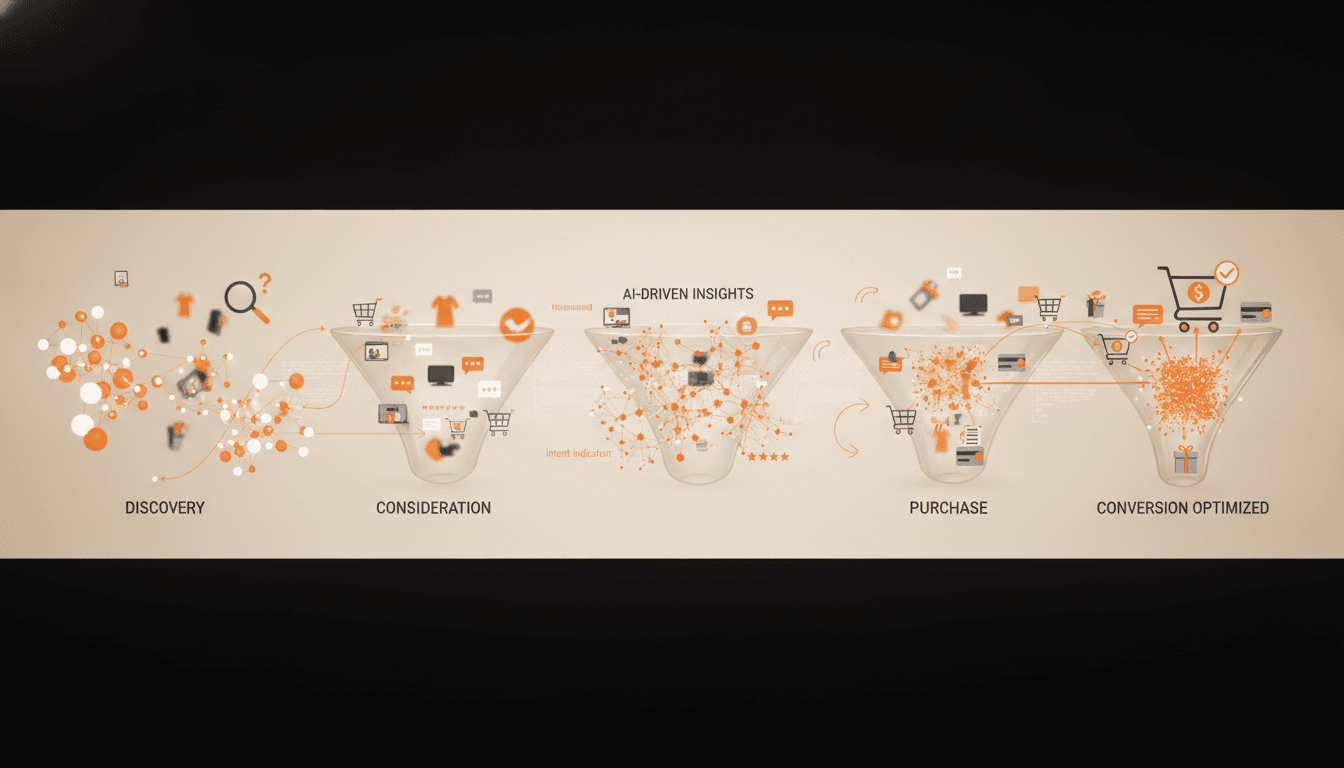
Attracting high-intent AI search traffic is just the beginning—converting that traffic requires deploying proven GEO tactics that align your brand’s data and messaging with how AI assistants recommend products. Here’s how top brands use Hexagon GEO to maximize their results.
1. Implement Structured Data Markup
Structured data forms the foundation of AI understanding. By enriching product listings with comprehensive schema markup (e.g., JSON-LD, Microdata), brands enable AI assistants to:
- Precisely interpret product attributes, features, and real-time availability.
- Surface relevant products in response to detailed, conversational queries.
- Elevate your catalog in “best” and “top-rated” recommendation results driven by purchase intent.
2. Maintain Real-Time Product Feeds
AI shopping assistants penalize brands that provide outdated or inaccurate inventory data. Hexagon GEO automates real-time feed integration, ensuring product details, stock levels, and pricing are constantly current. The benefits include:
- Minimizing lost sales from out-of-stock items.
- Building trust with AI platforms and shoppers alike.
- Increasing chances of featuring in “buy now” recommendations.
3. Use AI Prompt Engineering to Shape Recommendations
Prompt engineering is a strategic component of GEO focused on influencing how AI assistants interpret and recommend your products. With Hexagon GEO:
- Product descriptions and metadata are optimized to match the most frequent conversational queries.
- Content is crafted to trigger AI recommendation algorithms for high-intent keywords such as “best for running,” “sustainable materials,” or “fast shipping.”
- Brands gain control not just over visibility, but also the persuasive impact of AI-driven suggestions.
4. Leverage Natural Language Optimization
Modern AI shopping sessions rely heavily on natural language queries. GEO enables brands to:
- Optimize product content for multi-turn conversations and question-answer formats.
- Anticipate and embed answers to common shopper questions—covering sizing, use cases, and product comparisons.
- Improve AI compatibility and rankings for queries like “near me,” “in stock,” and “best value.”
Case in Point:
A leading e-commerce apparel brand adopted Hexagon GEO’s structured data and prompt engineering modules. Within three months, they experienced:
- A 30% conversion increase from AI-initiated sessions.
- A 50% revenue boost directly attributed to AI search recommendations (Hexagon Client Report).
[IMG: Before-and-after dashboard showing AI-driven conversion rate increases post-GEO implementation]
These successes are widespread. Across industries, brands using Hexagon GEO consistently report:
- Enhanced visibility in AI-powered shopping interfaces.
- A measurable rise in ready-to-buy traffic.
- Stronger brand preference at critical purchase decision points.
Summary of Key GEO Tactics:
- Deploy robust structured data markup on all product pages.
- Integrate real-time inventory and pricing feeds.
- Apply AI prompt engineering to influence assistant recommendations.
- Optimize content for conversational, high-intent AI queries.
Brands that prioritize these tactics position themselves to dominate the emerging AI shopping battleground, capturing ready-to-buy audiences at scale.
Measuring AI-Driven Conversion Lift Effectively
As AI-driven commerce accelerates, precise measurement is essential to optimize marketing spend and prove ROI. Traditional attribution models often fall short in capturing the complexities of AI-influenced shopper journeys. Here’s how to effectively measure and benchmark AI-driven conversion lift.
Key Metrics to Monitor:
- AI search traffic volume: Number of sessions initiated or influenced by AI assistants.
- Conversion rate from AI channels: Percentage of AI-originated sessions resulting in purchases.
- Revenue attributed to AI-powered recommendations: Total sales generated directly from AI-driven traffic.
Hexagon GEO offers seamless tracking and analytics integration, delivering real-time insights into AI channel performance. According to Hexagon Analytics, brands observe:
- An average 30% conversion uplift from GEO-optimized AI search traffic.
- 50% more revenue attributed to AI recommendations when advanced attribution models are employed.
Attribution Approaches for AI Commerce:
- Multi-touch attribution: Captures AI interaction influence across the entire customer journey.
- Last AI interaction attribution: Credits the final AI assistant touchpoint before conversion.
- These models help brands pinpoint which AI prompts, data feeds, or content updates yield the highest ROI.
Recommended Tools and Integrations:
- Hexagon GEO Analytics Suite: Custom dashboards tailored to AI channel performance.
- Google Analytics 4 with AI channel tagging: Enables segmentation and comparison by AI origin.
- Attribution platforms with AI-specific tracking: Visualize multi-touch journeys across AI and traditional channels.
Benchmarking AI-Driven Performance:
- Compare AI shopping intent levels against traditional search benchmarks.
- Track shifts in transactional intent: AI queries are 35% more likely to be purchase-driven (Salesforce Shopping Index).
- Monitor click-through and conversion rates of AI-attributed sessions versus legacy site search traffic.
Ongoing measurement and benchmarking will be critical as AI shopping interfaces evolve. Brands investing in robust analytics now will be best positioned to optimize for the next wave of AI commerce.
[IMG: Hexagon GEO analytics dashboard highlighting AI traffic and conversion metrics]
Future Trends: Direct Shopping Integrations with AI Platforms
The future of e-commerce is rapidly taking shape as AI shopping platforms introduce capabilities that enable consumers to complete purchases directly within AI assistant interfaces—bypassing traditional e-commerce websites.
Industry leaders like ChatGPT and Perplexity have begun piloting direct shopping integrations with select retailers (The Verge), signaling a shift toward seamless, conversational commerce. This trend is poised to accelerate, with AI assistants soon handling:
- Product discovery
- Price comparisons
- Direct checkout and payment—all within a single chat or voice interface
Hexagon’s GEO platform is proactively preparing brands for these transformative changes by:
- Formatting product data and inventory for instant AI ingestion and transaction readiness.
- Employing prompt engineering that captures buyer intent and streamlines purchase flows within AI environments.
- Offering direct integration modules for emerging AI shopping APIs and platforms.
The opportunities for brands are significant:
- Engage shoppers at the exact moment of highest intent.
- Leverage conversational commerce to deepen brand preference and loyalty.
- Reduce friction through “one-click” or “one-command” purchases enabled by AI assistants.
Hexagon’s roadmap includes support for next-generation AI commerce features, equipping brands to capture sales as the AI shopping paradigm evolves. E-commerce teams should begin refining data structures and workflows now to capitalize on these emerging opportunities.
As Jason Del Rey aptly noted, “AI-generated shopping recommendations are quickly becoming a new battleground for e-commerce brand preference.” Brands that adapt early will secure a lasting competitive advantage.
[IMG: AI assistant interface with integrated ‘Buy Now’ button and transactional flow]
Action Plan: How E-Commerce Brands Can Dominate AI-Driven Recommendation Engines
Succeeding in the age of AI-driven commerce requires a deliberate, step-by-step approach. Here’s a practical action plan for brands ready to implement Hexagon’s GEO platform and accelerate sales through high-intent AI search.
1. Assess Current AI Readiness
- Conduct a thorough audit of product data quality, structure, and real-time availability.
- Identify gaps in schema markup, feed integration, and conversational content.
2. Deploy Hexagon GEO Platform
- Integrate Hexagon GEO for automated structured data enhancements and real-time feed management.
- Activate AI prompt engineering modules to optimize product content for key AI queries and recommendations.
3. Prioritize High-Impact Data Optimizations
- Focus on products and categories with the highest purchase intent and profit margins.
- Implement advanced schema for best-selling SKUs and ensure frequent inventory updates.
4. Align Marketing and Product Teams
- Set shared KPIs centered on AI-driven traffic and conversion.
- Train teams on conversational commerce best practices and AI prompt strategies.
5. Continuously Measure and Iterate
- Use Hexagon GEO Analytics Suite to track AI search traffic, conversion rates, and attributed revenue.
- Benchmark performance against traditional search and refine tactics based on data-driven insights.
6. Prepare for Future AI Shopping Integrations
- Stay informed about emerging AI platform APIs and direct shopping capabilities.
- Ensure data workflows and internal systems support real-time transactional processing through AI assistants.
Brands following this roadmap consistently achieve:
- 2.5x higher conversion rates for AI-initiated shopping sessions (Forrester Research).
- 30%+ conversion uplift and 50% revenue growth from AI search recommendations (Hexagon Client Report).
Looking forward, the brands that dominate AI-driven recommendation engines will be those that act decisively, optimize relentlessly, and measure outcomes rigorously.
[IMG: Step-by-step infographic of the Hexagon GEO implementation process for e-commerce brands]
Conclusion: Seize the AI Shopping Advantage Now
The e-commerce landscape is being reshaped by high-intent AI search traffic and the rise of intelligent shopping assistants. Brands that optimize for generative engine recommendations—not just traditional search—are capturing more ready-to-buy shoppers, achieving conversion rates up to 2.5 times higher, and driving 50% more revenue from AI channels.
As Satya Nadella aptly stated, “E-commerce is entering a new era where AI search and recommendation engines will be the primary gateway to high-intent shoppers.” The moment to act is now.
Ready to accelerate your e-commerce sales with high-intent AI search? Book a personalized 30-minute strategy session with Hexagon today.
[IMG: Hexagon consultant meeting with e-commerce marketing team, analyzing AI search growth on laptop]
References:
Hexagon Team
Published February 26, 2026