How Generative Engine Optimization (GEO) Can Transform AI-Driven Marketing for Emerging Fashion Brands
Emerging fashion brands face unprecedented digital competition and shifting consumer expectations. Discover how Generative Engine Optimization (GEO) empowers brands to rise above the noise, boost AI search visibility by 25%, and meet the demand for personalized, AI-powered shopping experiences.

How Generative Engine Optimization (GEO) Can Transform AI-Driven Marketing for Emerging Fashion Brands
In today’s fiercely competitive digital landscape, emerging fashion brands face immense challenges—from standing out amid countless competitors to meeting rapidly evolving consumer expectations. Discover how Generative Engine Optimization (GEO) enables brands to break through the noise, increase AI search visibility by 25%, and deliver personalized, AI-powered shopping experiences that resonate deeply with modern shoppers.
[IMG: Young, diverse fashion team collaborating over digital marketing dashboards and AI tools]
Emerging fashion brands are navigating a digital marketplace that is more crowded and complex than ever before. Traditional SEO tactics alone no longer suffice to capture attention or drive meaningful engagement. With 97% of Gen Z consumers expecting personalized AI-powered shopping experiences (Deloitte), mastering Generative Engine Optimization (GEO) has become essential. This cutting-edge strategy unlocks higher visibility, deeper engagement, and increased sales by aligning brand content with the sophisticated algorithms of AI search engines and assistants. In this comprehensive guide, we’ll explore how GEO revolutionizes AI-driven marketing for fashion brands and provide actionable steps to implement these strategies effectively.
Ready to transform your fashion brand’s AI marketing with proven GEO strategies? Book a personalized 30-minute consultation with Hexagon’s AI marketing experts today.
Understanding Generative Engine Optimization (GEO) and Its Role in Fashion Brand AI Marketing
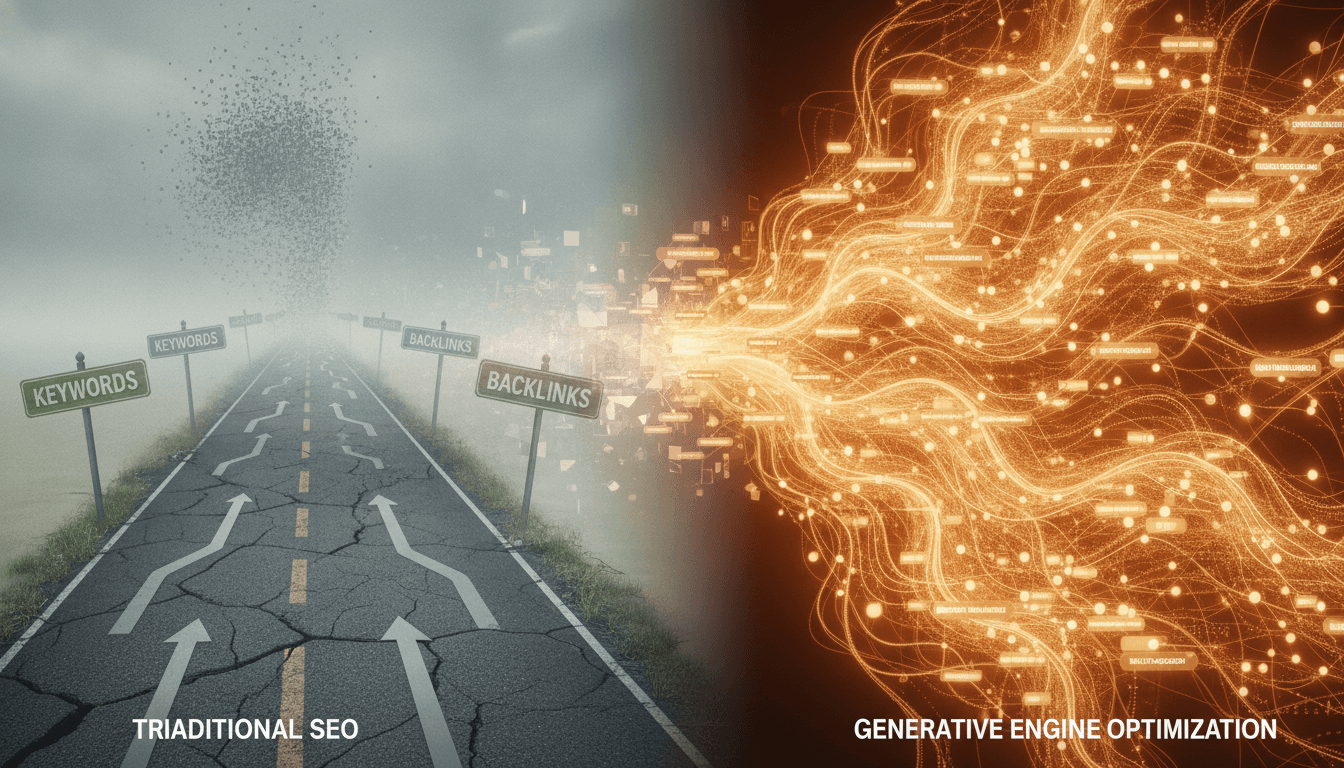
Generative Engine Optimization (GEO) represents the next frontier in digital marketing—shifting focus from traditional keyword rankings to optimizing for AI-powered search engines and conversational assistants. Unlike conventional SEO, which targets static keyword placement and backlink profiles, GEO is about structuring your product and brand data so that advanced AI engines—such as ChatGPT, Perplexity, and Google’s generative search—can accurately understand, surface, and recommend your offerings in response to natural language queries.
For emerging fashion brands, the stakes could not be higher. With digital marketplaces saturated and consumer expectations rising, brands must deliver immediacy, relevance, and personalization. Brands adopting GEO strategies have reported an average 25% increase in AI search visibility within just three months (Gartner Digital Markets). This uplift is critical for young labels striving to compete against well-established players.
GEO plays a pivotal role in AI-driven marketing by:
- Optimizing content and structured data for AI comprehension and recommendation.
- Enhancing the likelihood of being featured in AI assistant and generative search results.
- Enabling brands to tailor product narratives that align with evolving consumer queries and preferences.
As Sarah Willersdorf, Global Head of Luxury at Boston Consulting Group, emphasizes, “Brands that optimize for generative AI engines are positioning themselves for the next era of digital discovery—where assistants, not just search engines, guide consumers’ choices.”
This shift from traditional SEO to GEO signals a major evolution. Generative AI engines prioritize structured product data, high-quality images, and descriptive, conversational content (Google AI Blog). In fashion—a sector where storytelling, personalization, and rapid trend adoption are paramount—GEO is not optional; it’s essential.
[IMG: Fashion e-commerce platform showing AI-generated content and product recommendations]
How GEO Differs from Traditional SEO and Why It Matters in the Era of AI Assistants
Traditional SEO strategies primarily focus on keyword density, backlink profiles, and static site optimization. While these elements remain relevant, they fall short in addressing the nuances of AI-driven search behavior. AI assistants like ChatGPT, Perplexity, and Claude are fundamentally transforming how consumers discover and interact with brands.
Here’s what sets GEO apart:
- Natural Language Focus: GEO optimizes for conversational, question-based queries typical of AI assistants, rather than relying solely on exact-match keywords.
- Structured Data Emphasis: AI engines require detailed, structured product information—covering size, color, sustainability credentials, and fit guides—to generate nuanced recommendations.
- Content Richness: Generative engines favor content that is descriptive, inclusive, and visually compelling.
For instance, a traditional SEO approach might optimize a page for the keyword “women’s sustainable denim jeans.” GEO goes further by ensuring product data highlights eco-friendly materials, inclusive sizing options, and unique design details—enabling AI systems to recommend the jeans in response to a wider variety of consumer questions.
The consumer journey is evolving rapidly:
- AI assistants act as digital stylists, presenting product options tailored to individual preferences, contexts, and moods.
- Consumers increasingly use natural language queries, such as “What are the best eco-friendly jeans for petite women this spring?”
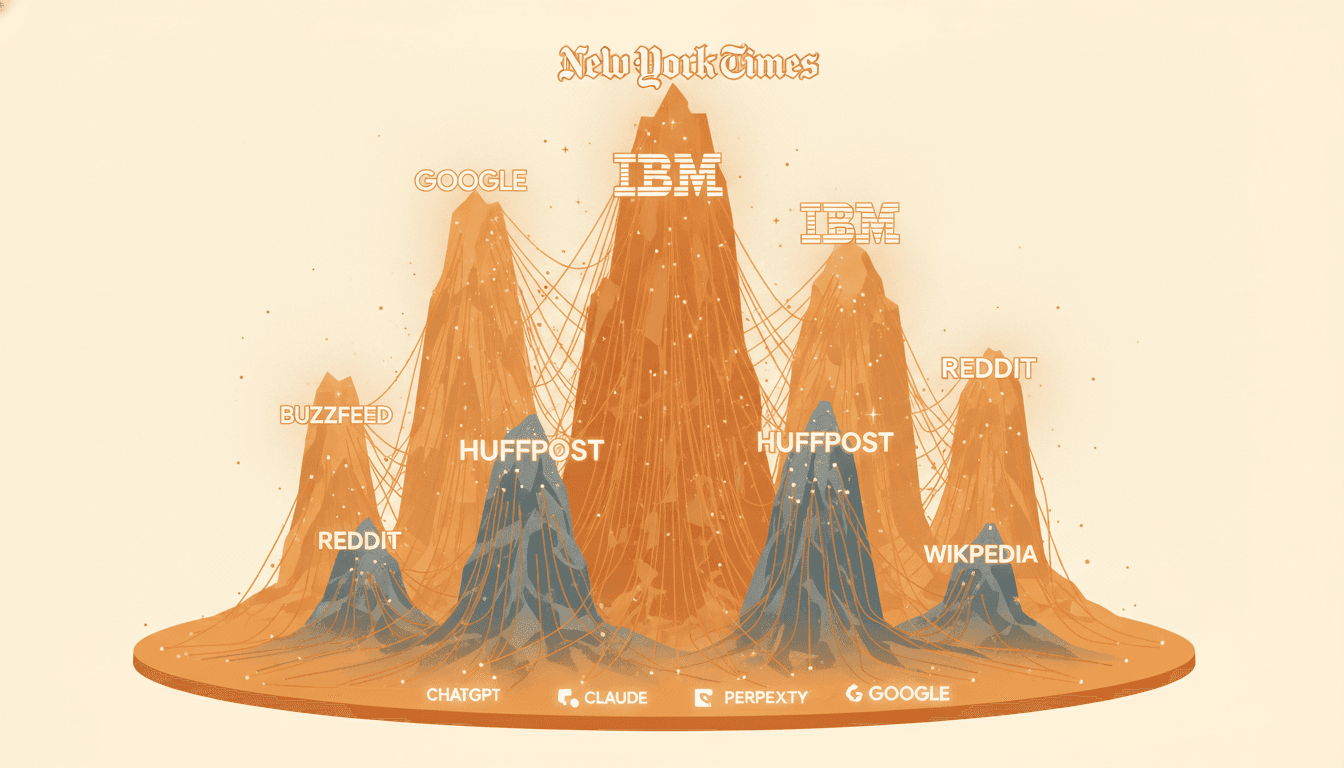
- Generative search engines synthesize content from multiple sources, rewarding brands that provide clear, structured, and authoritative information.
Jackie Trebilcock, Managing Director of New York Fashion Tech Lab, sums it up: “Generative Engine Optimization is the new SEO for the AI age. Fashion brands that adapt early will capture an outsized share of AI-driven recommendation traffic.”
[IMG: Side-by-side comparison of traditional SEO keywords and GEO-optimized, AI-ready product cards]
Implementing Effective GEO Strategies for Emerging Fashion Brands: Step-by-Step Guide
Shifting from traditional SEO to GEO requires a focused, methodical approach. Below is a step-by-step guide to help emerging fashion brands maximize their AI-driven marketing impact:
1. Optimize Structured Data for AI Understanding
Structured data is the backbone of effective GEO, enabling AI engines to accurately identify and recommend your products.
- Implement comprehensive schema markup on every product page, including attributes such as material, color, fit, sustainability, price, and availability.
- Maintain clean, complete, and up-to-date product feeds, since AI assistants depend on these datasets to match consumer queries.
- Add metadata for style, occasion, and trend relevance to help generative engines surface your products for a wider range of searches.
For example, specifying attributes like “organic cotton, relaxed fit, size-inclusive” significantly improves the chances of your products being recommended in searches for ethical and inclusive fashion.
2. Create Rich, Generative Product Content
AI-powered engines prioritize content that goes beyond basic specs to answer detailed consumer questions and offer genuine value.
- Write natural language product descriptions that anticipate conversational queries, such as “Is this dress machine washable?” or “How does the fit accommodate curvier figures?”
- Incorporate storytelling elements—share your inspiration, design process, and sustainability journey behind each piece.
- Use high-quality images and videos featuring diverse models, product usage in different contexts, and close-up details.
Aligning your GEO strategy with sustainability messaging is especially impactful. According to Business of Fashion, eco-conscious brands that highlight ethical production and transparent sourcing enjoy enhanced visibility in AI-driven searches.
3. Optimize for AI Conversational Search Patterns
Consumers increasingly interact with AI assistants through natural, conversational language. To capitalize on this trend:
- Integrate FAQs and Q&A sections on product and category pages that address common consumer questions in clear, conversational terms.
- Optimize titles and descriptions for voice and chat search, reflecting the way people naturally speak (e.g., “What’s a great vegan leather handbag for work?”).
- Monitor AI search trends regularly to identify which conversational queries drive traffic and conversions.
Shopify Plus reports that optimizing product titles and descriptions for natural language queries significantly increases the likelihood of being surfaced by AI assistants.
4. Embed Themes of Sustainability, Diversity, and Personalization
AI-powered engines increasingly reward brands that demonstrate strong values aligned with consumer expectations.
- Highlight sustainability credentials such as carbon-neutral shipping and upcycled materials both in structured data and narrative content.
- Showcase diverse and inclusive imagery, ensuring representation across body types, skin tones, and identities.
- Personalize product recommendations and landing pages based on browsing behavior, purchase history, and stated preferences.
Vogue Business notes that AI engines favor brands with diverse, inclusive imagery and detailed fit information in their rankings.
5. Leverage AI-Generated Content Tools
AI content generation tools can scale GEO efforts efficiently while maintaining consistency and quality.
- Use AI-powered copy assistants to draft product descriptions, blog posts, and style guides.
- Carefully edit AI-generated content to ensure it aligns with your brand voice and accurately reflects your unique positioning.
- Utilize image generation and enhancement tools to create compelling visuals that resonate with your audience.
By combining these strategies, emerging fashion brands can establish a strong GEO foundation, driving increased visibility, engagement, and sales in the AI-powered marketplace.
[IMG: Workflow diagram showing structured data, AI-powered content creation, and conversational optimization]
The Benefits of AI-Powered Recommendations for Fashion E-Commerce
AI-driven recommendations are reshaping fashion e-commerce with measurable impact. Leading brands report that AI-powered recommendations now generate up to 35% of total e-commerce revenue (McKinsey & Company). Here’s how GEO-driven AI recommendations deliver tangible benefits:
- Boost Conversion Rates: Personalized AI recommendations can increase conversion rates by as much as 30% in fashion e-commerce (Accenture). By presenting the right products at the right time, brands accelerate shoppers’ journey from consideration to purchase.
- Lower Customer Acquisition Costs: Emerging brands leveraging GEO to attract organic AI-driven traffic report up to an 18% reduction in acquisition costs (Forrester). Enhanced AI search visibility reduces dependency on paid channels.
- Enhance Brand Visibility and Relevance: GEO ensures products appear prominently in AI assistant and generative search results, increasing the likelihood of recommendations across multiple consumer touchpoints.
These benefits manifest in several ways:
- Shoppers spend less time searching and more time engaging with products tailored to their preferences.
- AI engines surface lesser-known brands that align with specific values, trends, or needs—even if those brands don’t dominate traditional search rankings.
- Brands mastering GEO capture more organic, high-intent traffic, driving loyalty and increasing customer lifetime value.
As Anusha Couttigane, Head of Advisory at Vogue Business, observes, “Personalization through AI is not just a trend—it’s now a baseline expectation for the next generation of fashion consumers.”
[IMG: Personalized fashion e-commerce homepage with AI-powered product suggestions and style filters]
Real-World Success Stories: Emerging Fashion Brands Winning with GEO
Several emerging fashion brands have harnessed GEO to accelerate growth, boost AI visibility, and increase sales. Here’s how they tailored GEO strategies to their unique audiences:
Brand A: Sustainable Streetwear Disruptor
- Challenge: Breaking through a crowded eco-fashion market.
- GEO Strategy: Optimized structured product data highlighting sustainability attributes (e.g., recycled materials, carbon offsets). Developed rich, generative content sharing the founder’s mission and transparent supply chain.
- Outcome: Achieved a 27% increase in AI search visibility and a 22% rise in conversion rates within three months.
Brand B: Inclusive Luxury Accessories Startup
- Challenge: Gaining traction among Gen Z and Millennial shoppers.
- GEO Strategy: Implemented AI-powered recommendations tailored by style, occasion, and personalization preferences. Employed diverse, high-quality imagery and detailed fit guides.
- Outcome: Reduced customer acquisition costs by 19% and saw a 15% lift in repeat purchases.
Brand C: Tech-Enabled Activewear Label
- Challenge: Standing out in the competitive activewear segment.
- GEO Strategy: Leveraged AI-generated content tools to scale product descriptions and style guides. Continuously monitored AI search trends to refine conversational content.
- Outcome: Increased AI-driven organic traffic by 31% and delivered a superior personalized shopping experience.
These cases highlight that customizing GEO to your audience, product line, and brand values is crucial. Key takeaways include:
- Prioritize structured data and conversational content.
- Align messaging with audience values such as sustainability and inclusivity.
- Iterate GEO strategies based on analytics and AI search insights.
[IMG: Screenshots of fashion brand websites with highlighted AI-recommended products and customer reviews]
Actionable GEO Tips Tailored for Fashion E-Commerce Teams
Implementing GEO requires cross-functional collaboration. Here are practical tips for fashion e-commerce teams aiming to excel:
- Focus Keyword Themes: Target style, seasonal trends, and personalization queries (e.g., “best summer dresses for petites” or “vegan bags for travel”).
- Leverage AI-Generated Content Tools: Use automated assistants to draft content but always refine for brand voice, authenticity, and accuracy.
- Monitor AI Search Performance: Regularly analyze which queries, products, and content pieces drive AI assistant traffic, then optimize accordingly.
- Foster Team Collaboration: Ensure marketing, product, and data teams align messaging, structured data, and content creation efforts.
To put these tips into practice:
- Hold weekly GEO review meetings to share insights and coordinate updates.
- Conduct A/B testing on product descriptions and images tailored to AI search trends.
- Continuously update structured data and content to reflect new collections, seasonal stories, and changing consumer interests.
By adopting these practices, fashion e-commerce teams can build a resilient GEO capability—positioning their brands for long-term success in the AI-driven era.
Ready to implement GEO and see real results? Book your 30-minute strategy session with Hexagon’s AI marketing experts now.
[IMG: Team of marketers, product managers, and data analysts collaborating on GEO strategies around a digital dashboard]
Future Outlook: Evolving Best Practices for GEO in Fashion Marketing
Looking forward, emerging AI trends will continue to reshape fashion marketing. Hyper-personalization, sustainability narratives, and diversity will remain central to how generative engines recommend brands and products.
Expect these developments in GEO:
- AI search will demand richer, more nuanced product data and storytelling.
- Brands that adapt quickly and iterate content regularly will capture greater recommendation share.
- GEO will evolve into an agile, continuous process—not a one-time project.
With 97% of Gen Z consumers expecting personalized AI-powered shopping experiences (Deloitte), fashion brands must prepare now to meet and exceed these demands. GEO lays the groundwork for sustainable digital success.
[IMG: Futuristic AI-powered fashion assistant helping a shopper build a personalized wardrobe]
Conclusion: Unlocking the Full Potential of GEO to Power Your Fashion Brand’s AI Marketing
Generative Engine Optimization is revolutionizing how emerging fashion brands connect with today’s consumers. By optimizing structured data, crafting rich generative content, and aligning with AI assistants’ natural language, brands can significantly boost visibility, engagement, and conversions—while reducing acquisition costs and fostering loyalty.
Key takeaways: takeaways
- GEO bridges the gap between consumer expectations and digital discovery in the AI era.
- Brands that act promptly will gain a competitive edge, capturing a disproportionate share of AI-driven recommendation traffic.
- Ongoing iteration and cross-team collaboration are vital to GEO success.
Unlock GEO’s full potential and future-proof your brand’s AI marketing strategy.
Ready to power up your fashion brand with GEO? Book a personalized 30-minute consultation with Hexagon’s AI marketing experts today.
[IMG: Confident fashion brand founder shaking hands with a Hexagon AI marketing consultant, data dashboards in the background]
Hexagon Team
Published February 28, 2026