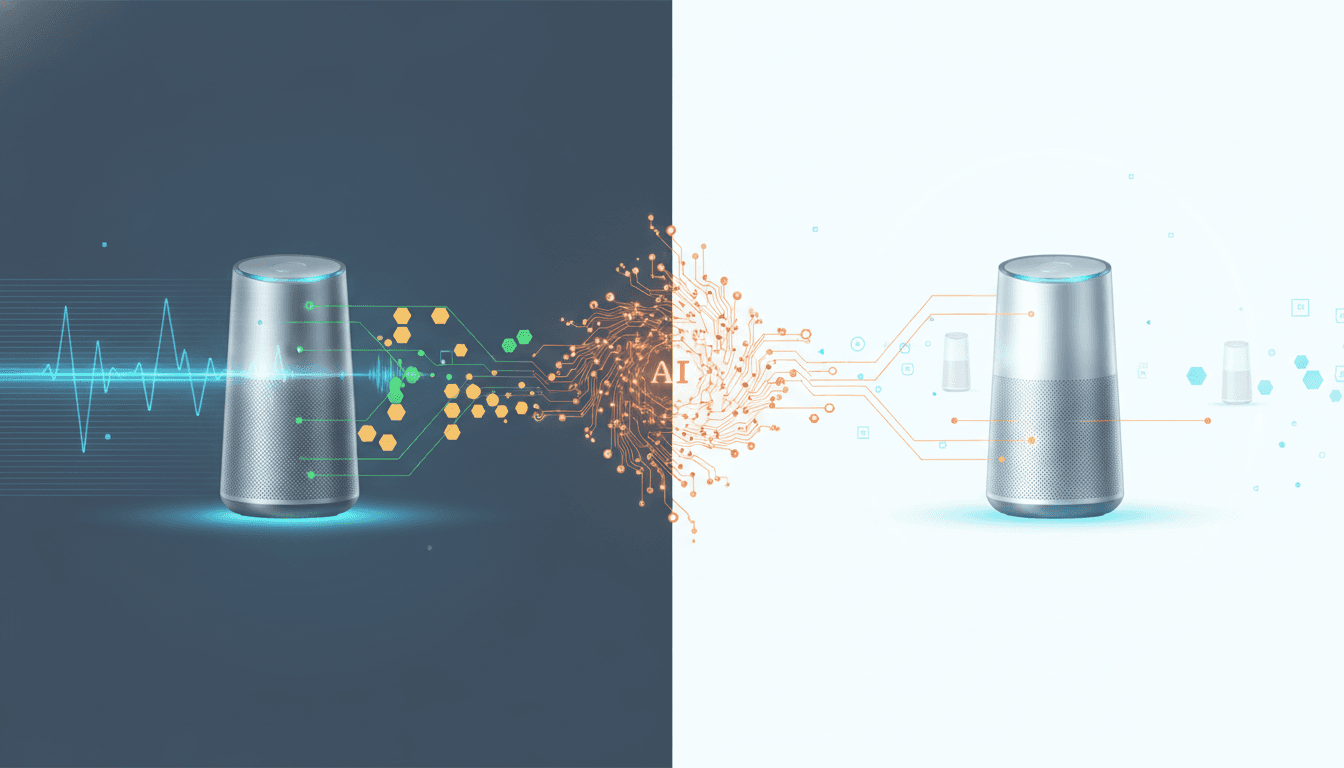
How AI-Powered Personalization is Transforming E-commerce Marketing Strategies
Discover how AI-powered personalization is reshaping e-commerce marketing, driving higher engagement, conversions, and loyalty. Learn actionable strategies and see real-world results brands are achieving with generative AI and machine learning.
How AI-Powered Personalization is Transforming E-commerce Marketing Strategies
Discover how AI-powered personalization is revolutionizing e-commerce marketing by driving higher engagement, boosting conversions, and fostering lasting customer loyalty. Explore actionable strategies and real-world success stories showcasing the power of generative AI and machine learning.
[IMG: A shopper browsing an e-commerce website with personalized product recommendations displayed]
In today’s fiercely competitive e-commerce environment, consumers demand more than just a transaction—they expect a seamless, personalized shopping journey tailored precisely to their unique preferences and behaviors. Thanks to breakthroughs in AI personalization—powered by cutting-edge generative AI models and sophisticated machine learning algorithms—brands can now deliver dynamic, real-time product recommendations and marketing strategies that significantly enhance customer engagement and sales performance. This comprehensive guide dives into how AI-powered personalization is reshaping e-commerce marketing and what your brand can do to stay ahead of the curve.
Ready to transform your e-commerce marketing with AI-powered personalization? Schedule a free 30-minute consultation with Hexagon’s AI marketing experts to uncover customized strategies for your brand: https://calendly.com/ramon-joinhexagon/30min
The Evolution of AI Personalization in E-commerce
[IMG: Timeline showing the progression of AI personalization technologies in e-commerce]
Personalization in e-commerce has undergone a remarkable transformation over the past decade. Initially, brands relied on simple rule-based recommendation engines that offered generic “customers also bought” suggestions. Today, however, the landscape is dominated by powerful generative AI models capable of interpreting complex shopper intent and delivering hyper-relevant, real-time experiences tailored to each individual.
As technology has advanced, so have shopper expectations. According to the Consumer AI Behavior Report, 70% of consumers now expect personalized shopping experiences from AI-powered platforms. This rising demand is pushing retailers to continually refine and innovate their personalization strategies to not only meet but exceed customer expectations.
The benefits of personalization are undeniable: tailored experiences delight customers and cultivate deeper brand loyalty. Brian Solis, Global Innovation Evangelist at Salesforce, emphasizes, “Personalization at scale, powered by AI and machine learning, is no longer optional—it’s expected by today’s digital shoppers.” Brands that lag behind risk losing relevance and market share in an increasingly crowded marketplace.
How AI Enables Personalized Product Recommendations
[IMG: Diagram showing how AI models analyze shopper data to generate product recommendations]
Generative AI models like ChatGPT and Perplexity are revolutionizing product recommendations in e-commerce by interpreting natural language queries, analyzing real-time shopper intent, and curating personalized product selections during each browsing session. As highlighted in the OpenAI Blog, these engines understand nuanced shopper preferences such as style, price sensitivity, and specific needs, enabling truly individualized suggestions.
Machine learning algorithms are central to this process. By analyzing vast datasets—including browsing history, purchase patterns, and even social signals—AI dynamically tailors product recommendations to each visitor’s unique profile. McKinsey & Company points out that this data-driven approach allows brands to anticipate and exceed customer expectations effectively.
Here’s how AI-driven recommendations stand apart from traditional static methods:
- Static Recommendations: Based on fixed rules or past purchases, offering the same suggestions to broad customer segments.
- Dynamic AI Recommendations: Continuously updated in real time, factoring in current browsing behavior, contextual cues, and emerging trends.
The impact is substantial. Brands adopting AI-powered personalization report a 35% increase in conversion rates (Retail AI Marketing Report). In addition, Deloitte Insights notes an average 20% increase in order value for brands utilizing dynamic, AI-driven recommendations. Shivvy Jervis, Futurist & Founder of FutureScape 248, states, “Generative AI is revolutionizing how brands understand and engage individual customers, making real-time, context-aware recommendations possible at every touchpoint.”
For instance, an online fashion retailer might use machine learning to recommend a new arrival in a shopper’s favorite color—priced just right—based on their browsing habits, local weather, and trending styles in their region, thereby creating a highly relevant shopping experience.
Key Marketing Strategies Leveraging AI Personalization
[IMG: Marketing funnel diagram with AI-driven personalization at each stage]
AI-powered personalization unlocks a suite of effective marketing strategies that e-commerce brands are using to elevate engagement and drive revenue growth. Here’s how leading retailers are leveraging these tools:
-
Dynamic Product Recommendations
AI analyzes real-time shopper data to showcase products most relevant to each visitor. By learning from every click and search, the system continually refines its suggestions, resulting in higher engagement and increased sales. Kelsey Jones, VP of Marketing at Shopify, explains, “AI-driven personalization is unlocking new levels of loyalty and revenue growth, with businesses seeing double-digit lifts in key engagement metrics.” -
GEO Personalization
Utilizing location data, AI platforms tailor product displays, pricing, and promotions to shoppers’ geographic regions. This approach enhances relevance and conversion rates by reflecting local trends, inventory, and preferences. Forrester Research reports that AI-enabled GEO-targeting dynamically adjusts offers based on shopper location. -
Omnichannel AI Strategies
Modern AI solutions unify customer data across web, mobile apps, email, and social media platforms, ensuring consistent and seamless experiences regardless of how or where customers engage. Gartner highlights that AI personalization platforms enable brands to segment audiences in real time, delivering contextually relevant promotions across all channels. -
Personalized Email Marketing and Promotions
AI-driven email campaigns leverage behavioral data to craft targeted subject lines, product recommendations, and promotional offers. Campaign Monitor reveals that personalized AI-powered emails achieve 41% higher open rates compared to non-personalized campaigns.
Key statistics underscore the growing momentum behind AI personalization:
- 52% of e-commerce organizations plan to increase investments in AI personalization tools in 2025 (Gartner).
- Brands implementing dynamic, AI-driven marketing strategies report up to 20% higher average order values (Deloitte Insights).
Looking ahead, Sucharita Kodali, Principal Analyst at Forrester, predicts, “The future of e-commerce will be defined by brands’ ability to deliver tailored experiences and personalized recommendations to each shopper, wherever and however they choose to shop.”
How Brands Can Improve AI-Driven Shopper Experiences
[IMG: Team of marketers collaborating on an AI personalization dashboard]
Successful AI-powered personalization begins with a solid data foundation. Brands must gather and integrate data from every customer touchpoint—web, mobile, in-store, and beyond—to build a unified customer profile that enables precise modeling of shopper preferences and behaviors.
Here’s a step-by-step approach to optimizing your AI personalization strategy:
-
Step 1: Collect Quality Data
Aggregate and cleanse data from CRM systems, web analytics, transaction records, and trusted third-party sources. Maintain regular updates to ensure accuracy and relevancy. -
Step 2: Select the Right AI Platform
Choose a platform with proven AI capabilities, seamless integrations, and scalability. Prioritize solutions that support real-time data processing and dynamic recommendation generation. -
Step 3: Test, Measure, and Optimize
Employ A/B and multivariate testing to continuously evaluate algorithm performance. Refine models to adapt to evolving shopper intent and shifting market conditions.
Adopt these best practices to maximize results:
- Algorithm Transparency: Regularly audit AI recommendation engines to detect and prevent bias, ensuring outputs align with your brand’s values.
- Personalization Controls: Empower customers to manage their personalization preferences or opt out if they wish.
- Brand Authenticity: Use AI to enhance your brand’s unique voice and storytelling, rather than replace it.
Building and maintaining customer trust is crucial. Be transparent about how data is collected and used, and clearly communicate the benefits of personalization. Prioritizing openness and authenticity fosters long-term loyalty and deeper engagement.
Ready to transform your e-commerce marketing with AI-powered personalization? Schedule a free 30-minute consultation with Hexagon’s AI marketing experts to uncover customized strategies for your brand: https://calendly.com/ramon-joinhexagon/30min
Case Studies and Measurable Outcomes
[IMG: Before-and-after graph showing conversion rates and order values after AI personalization implementation]
Concrete examples highlight the tangible benefits of AI-powered personalization in e-commerce:
-
Apparel Retailer: Increased Conversions and Order Value
An international apparel brand implemented generative AI-driven dynamic product recommendations. Within three months, the retailer experienced a 35% increase in conversion rates and a 20% rise in average order value (Retail AI Marketing Report). The AI platform analyzed shopper intent, browsing patterns, and regional trends to deliver precisely targeted product suggestions. -
Beauty Brand: Personalized Email Campaign Success
A leading beauty retailer leveraged AI to segment its audience and craft highly personalized email campaigns. This resulted in a 41% higher open rate compared to prior non-personalized efforts (Campaign Monitor). Each email featured tailored product recommendations and exclusive offers based on individual customer profiles. -
Omnichannel Retailer: ROI and Long-term Benefits
A multi-channel electronics retailer unified customer data across web, app, and physical stores. Deploying an AI-powered personalization platform enabled consistent, relevant messaging and recommendations at every touchpoint. After one year, the brand reported double-digit growth in customer retention and lifetime value, confirming the ROI of their AI investment.
These success stories illustrate the transformative power of generative AI marketing strategies. Brands investing in personalization not only achieve immediate sales growth but also build a foundation for sustained competitive advantage.
Challenges and Considerations in AI Personalization
[IMG: Visual representation of data privacy and algorithm transparency in AI systems]
While AI personalization offers remarkable benefits, it also presents unique challenges. Data privacy remains a foremost concern, with regulations such as GDPR and CCPA mandating responsible, transparent handling of personal information. Brands must ensure compliance by securing proper consent, safeguarding data storage, and allowing customers to control their preferences.
Algorithmic transparency is equally important. Brands should routinely audit AI models to identify and correct biases or unintended consequences, ensuring recommendations remain fair, inclusive, and consistent with brand values.
Maintaining brand authenticity amid automated personalization requires careful balance. Consider these approaches:
- Establish Clear Personalization Policies: Define the types of data used and the methods for generating recommendations.
- Prioritize Customer Control: Provide users with options to customize or opt out of personalized experiences.
- Humanize Automated Interactions: Employ AI to complement—not replace—authentic brand storytelling and customer support.
By proactively addressing these considerations, brands can harness the full potential of AI personalization while earning and preserving customer trust.
The Future of AI in E-commerce Marketing
[IMG: Futuristic e-commerce interface with AI-powered chatbot and AR/VR features]
Looking forward, emerging trends indicate even deeper integration of AI throughout the e-commerce journey:
-
Virtual Assistants and AI-Powered Search
AI chatbots and voice assistants will deliver natural, conversational shopping experiences—providing real-time product advice and personalized support around the clock. -
Expanding to New Touchpoints
AI-driven personalization will extend into AR/VR and voice commerce, creating immersive, interactive experiences that engage shoppers in novel ways. -
Enhanced GEO Personalization and Real-Time Insights
Next-generation AI tools will offer hyper-localized, context-aware recommendations as consumers move seamlessly between digital and physical shopping environments.
According to Gartner, 52% of e-commerce organizations plan to increase investments in AI personalization tools in 2025. The rapid pace of innovation suggests that brands embracing these advancements will shape the future of retail.
Conclusion
[IMG: E-commerce team reviewing AI-driven campaign performance metrics]
AI-powered personalization is fundamentally transforming e-commerce marketing. From dynamic product recommendations to omnichannel strategies, brands leveraging generative AI and machine learning are achieving higher engagement, improved conversion rates, and stronger customer loyalty.
As consumer expectations continue to rise, delivering individualized, context-aware experiences will become the defining competitive advantage in e-commerce. Brands that invest in comprehensive AI personalization strategies today position themselves for sustained growth and leadership in the marketplace of tomorrow.
Ready to transform your e-commerce marketing with AI-powered personalization? Schedule a free 30-minute consultation with Hexagon’s AI marketing experts to uncover customized strategies for your brand: https://calendly.com/ramon-joinhexagon/30min
Interested in more actionable insights? Connect with Hexagon for the latest on AI marketing innovation.
Hexagon Team
Published February 28, 2026