Harnessing Medium-Intent AI Search Analytics to Boost Fashion Brand Visibility in 2024
In 2024, AI-driven search is the engine behind e-commerce discovery in fashion, but the real opportunity lies with medium-intent shoppers—those still researching but on the verge of purchase. Unlock the strategies, metrics, and GEO tactics that leading brands use to capture this critical audience, accelerate conversions, and dominate the online fashion landscape.
Harnessing Medium-Intent AI Search Analytics to Boost Fashion Brand Visibility in 2024
In 2024, AI-driven search powers the majority of e-commerce discovery in fashion. Yet, the true competitive edge lies in capturing medium-intent shoppers—those actively researching and edging toward purchase. Discover how top brands leverage medium-intent AI search analytics, key metrics, and geo-targeted strategies to win this critical audience, accelerate conversions, and dominate the online fashion space.
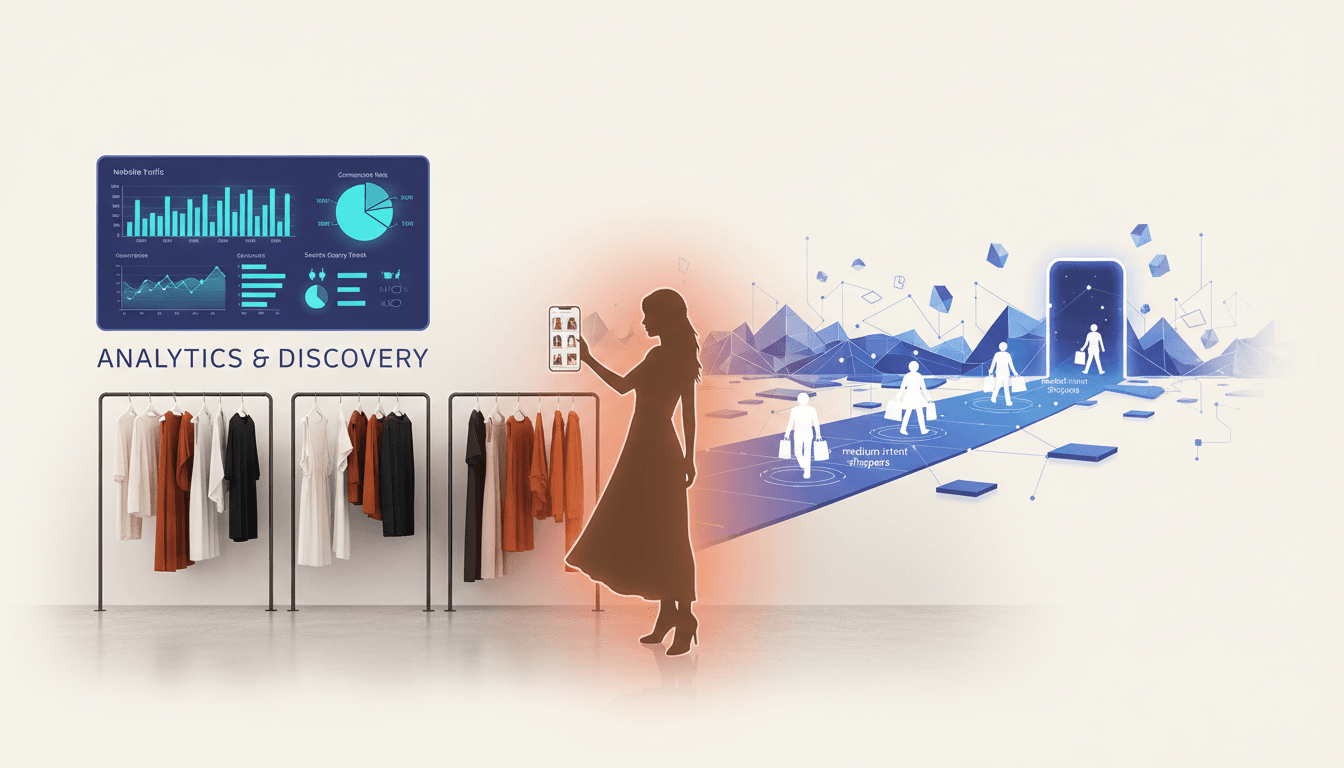
[IMG: Fashion e-commerce interface with AI-powered search bar and shopper journey map]
In today’s fashion e-commerce landscape, AI-powered search drives over half of discovery traffic. However, not all search queries signal the same buyer readiness. Medium-intent shoppers—those who are researching, comparing, and narrowing options but haven’t yet committed—represent a golden opportunity for brands seeking to boost visibility and speed up purchase decisions. This guide reveals how combining medium-intent AI search analytics with geo-targeted tactics can elevate your fashion brand’s online presence and engagement in an increasingly competitive market.
Ready to unlock the full potential of medium-intent AI search analytics for your fashion brand? Book a free 30-minute consultation with Hexagon’s AI marketing experts today.
Understanding Medium-Intent AI Search in Fashion E-Commerce
The journey of today’s fashion shopper is deeply influenced by AI-driven search engines. According to Google/Ipsos, 80% of fashion shoppers start their path with research-phase queries before deciding to purchase. These “medium-intent” queries reveal a readiness to explore and compare options, although the urge to buy isn’t immediate.
Typical medium-intent searches include phrases like “best summer dresses under $100” or “sustainable men’s sneakers.” These contrast sharply with high-intent queries such as “buy red leather boots size 8,” which indicate imminent purchase, and low-intent queries like “latest fashion trends,” signaling early-stage browsing. The medium-intent phase is the crucial middle ground where brands have the greatest influence on consideration and preference.
[IMG: Funnel diagram showing low, medium, and high-intent search stages in fashion e-commerce]
AI has revolutionized this space by powering over 50% of fashion e-commerce discovery traffic (eMarketer). These platforms interpret complex shopper language, accurately categorize intent, and deliver highly relevant results—even as queries grow longer and more conversational.
“Medium-intent AI search is reshaping how fashion brands connect with customers during the essential research phase—where most buying decisions are formed,” explains Jessica Liu, Principal Analyst at Forrester. Mastery of this phase allows brands to secure top spots in shoppers’ consideration sets well before purchases occur.
Medium-intent shoppers offer three key advantages:
- They form the largest segment of e-commerce traffic, especially during peak shopping seasons.
- Their research-oriented behavior makes them receptive to educational, inspirational, and comparative content.
- Being closer to conversion than low-intent browsers, they present a pivotal moment for brands to influence purchase decisions with targeted messaging and offers.
For fashion brands in 2024, understanding and harnessing medium-intent AI search analytics is no longer optional—it’s essential for competitive success.
Key Metrics for Medium-Intent AI Search Analytics in Fashion
To effectively engage medium-intent shoppers, brands must look beyond basic metrics and delve into detailed AI search analytics. The right data not only reveals what shoppers seek but also how well your content nudges them toward conversion.
Here are the critical metrics every fashion brand should track:
- Query Volume: Measures how often medium-intent queries like “eco-friendly workout leggings” or “affordable wedding guest outfits” occur.
- Assisted Conversions: Captures how frequently medium-intent search journeys contribute to purchases later, even if the shopper doesn’t buy immediately.
- Dwell Time: Indicates how long visitors spend on product, category, or inspiration pages after clicking through from search results.
- Click-Through Rate (CTR): Shows the percentage of users who click from AI-powered search results to your site or landing pages.
- Bounce Rate: Highlights the share of visitors who leave quickly, signaling a mismatch between query intent and content relevance.
[IMG: Dashboard displaying AI search analytics metrics for a fashion brand, highlighting medium-intent performance]
For instance, brands leveraging AI analytics have reported a 35% increase in engagement from medium-intent shoppers (Shopify Plus). This boost often appears as longer dwell times and higher assisted conversion rates. Moreover, geo-targeted offers and content generate a 28% higher CTR among medium-intent shoppers (McKinsey & Company)—demonstrating the effectiveness of personalized, location-aware messaging.
Segmenting analytics by intent signals sharpens insights. Look for:
- Comparison keywords (“vs”, “compare”, “best”)
- Price qualifiers (“under $50”, “discounted”, “outlet”)
- Sustainability or material preferences (“organic cotton”, “vegan leather”)
- Regional or seasonal terms (“winter coats Canada”, “summer sandals Miami”)
By tracking these metrics, brands can pinpoint which content, products, and offers best nurture medium-intent shoppers toward conversion.
The actionable insights unlocked by AI search analytics empower fashion marketers to refine strategies, enhance relevance, and ultimately drive more sales from this lucrative audience.
Extracting Actionable Insights from AI Search Analytics to Enhance Product Visibility
AI search analytics do more than report data—they reveal tangible opportunities to optimize content, innovate products, and deepen shopper engagement. By spotting trending queries and uncovering performance gaps, brands can proactively align offerings with medium-intent shopper desires.
Leading fashion brands use AI-driven search data to:
- Spot Emerging Trends: AI highlights rising keywords like “gender-neutral loungewear” or “pastel accessories 2024,” enabling brands to develop and promote timely collections ahead of competitors.
- Detect Content and Product Gaps: When high-volume queries yield low click-through or conversion rates, it signals a need to improve product descriptions, add missing sizes, or enhance imagery.
- Refine Product Descriptions and Category Pages: Insights guide copy adjustments that resonate with medium-intent shoppers, emphasizing factors such as sustainability, fit, or local relevance.
- Harness Personalization: AI recommendation engines leverage search behavior and regional trends to suggest curated products, style guides, or user-generated content—boosting engagement by up to 19% (Bazaarvoice).
[IMG: AI analytics dashboard showing trending fashion search queries and suggested optimizations]
For example, brands that systematically optimize their site experience using AI search insights achieve a 22% faster path to purchase (Salesforce). Personalized recommendations tailored to both medium intent and geographic location further increase conversion rates by 16% (Accenture).
Looking forward, brands integrating AI search analytics into content and merchandising workflows will:
- Launch new products and campaigns aligned with real-time demand
- Address inventory, size, or style gaps based on shopper feedback
- Guide shoppers smoothly from exploration to purchase with hyper-relevant content and offers
By transforming AI search data into strategic action, fashion marketers ensure their products remain visible, discoverable, and desirable throughout the crucial research phase.
Implementing GEO Tactics to Engage Medium-Intent Fashion Shoppers
Geo-targeting revolutionizes how fashion brands engage medium-intent shoppers by delivering content and offers that truly resonate with local preferences. Regional differences in color, style, fabric, and pricing preferences make localized relevance essential.
Effective GEO tactics include:
- Localized Content: Customize product descriptions, landing pages, and lookbooks to reflect local climates, events, and cultural trends.
- Geo-Specific Offers: Launch promotions tied to regional holidays, store openings, or weather events (e.g., “Rainy Day Sale: London Only”).
- Regional Trend Identification: Use AI analytics to uncover local search trends—such as “festival outfits Austin” or “wool coats Berlin”—and tailor inventory and messaging accordingly.
[IMG: Map visualization of regional search trends and geo-targeted offers for a global fashion brand]
AI-powered search analytics refine GEO-targeting by:
- Detecting underperforming regions in real time
- Surfacing unique local intent signals and dynamically adjusting messaging
- Enabling hyper-local personalization, including store availability and same-day delivery options
“Personalized, geo-targeted content driven by AI analytics is now a must-have for brands aiming to stand out in the crowded online fashion market,” says Anita Balakrishnan, Global Head of E-commerce Strategy at McKinsey & Company. The results are clear: geo-targeted offers and content deliver a 28% higher CTR among medium-intent shoppers (McKinsey & Company).
For example, a brand launching swimwear might geo-target coastal cities, while spotlighting outerwear in colder regions. AI analytics ensure every shopper encounters the most relevant products and offers, boosting engagement and conversions.
By combining AI search analytics with robust GEO tactics, fashion brands create highly localized, intent-driven experiences that capture the loyalty of medium-intent shoppers.
Real-World Success Stories: Fashion Brands Excelling with Medium-Intent AI Search Analytics
The advantages of medium-intent AI search analytics are tangible and transformative for leading fashion brands worldwide. Here are some standout examples:
Case Study 1: Trend4U – Driving Engagement with AI Search and GEO Targeting
Trend4U, a European fashion retailer, used AI search analytics to pinpoint rising sustainable fashion queries. By revamping content and launching geo-targeted campaigns in Scandinavia, the brand achieved:
- 37% increase in engagement from medium-intent shoppers
- 24% lift in assisted conversions within three months
- 30% higher CTR on localized offers compared to generic promotions
Case Study 2: LuxeStreet – Accelerating the Path to Purchase
LuxeStreet, a North American luxury brand, monitored dwell time and bounce rates by region using AI analytics. Optimizing product descriptions and introducing regional style guides led to:
- 21% reduction in bounce rate among medium-intent visitors
- 18% increase in conversion rate for geo-targeted product recommendations
- 22% faster path to purchase versus previous averages
Lessons Learned and Replicable Strategies
These success stories illustrate the power of:
- Prioritizing medium-intent keywords in content and campaigns
- Using AI analytics to craft GEO-targeted messaging and offers
- Continuously iterating based on real-time data to maximize relevance
“Brands that invest in understanding medium-intent search queries create more meaningful engagements and accelerate the customer journey from consideration to purchase,” notes Ravi Patel, VP Product at Shopify Plus. The data is compelling: brands applying AI search analytics see a 35% increase in engagement and consistently outperform competitors in visibility and sales.
Inspired by these results? Book a free 30-minute consultation with Hexagon’s AI marketing experts today.
Best Practices for Integrating AI Search Analytics into Your Fashion Marketing Stack
To fully unlock the benefits of medium-intent AI search analytics, seamless integration with your broader marketing tech stack is vital. Here’s how leading brands approach this:
- Combine with SEO, PPC, and Content Marketing Tools: Ensure your AI analytics platform shares data with SEO tools for keyword targeting, PPC platforms for ad optimization, and content management systems for real-time content adjustments.
- Maintain Data Consistency and Actionable Reporting: Standardize metrics, intent definitions, and dashboards across teams to avoid silos and misinterpretations.
- Train Teams to Interpret Medium-Intent Insights: Provide ongoing education so marketers, merchandisers, and content creators can translate analytics into effective campaigns and strategies.
[IMG: Team collaborating around a dashboard integrating AI search analytics, SEO, and content performance]
Looking ahead, brands embedding AI analytics into daily workflows gain a comprehensive view of shopper behavior—enabling faster, more informed decisions. This integration not only drives immediate wins in visibility and engagement but also builds a future-proof foundation for continuous digital transformation.
Tactical Recommendations for 2024: Acting on Medium-Intent Insights to Maximize Visibility
To fully capitalize on medium-intent AI search analytics in 2024, fashion brands should prioritize these tactical actions:
- Focus on Medium-Intent Keywords in Content Planning: Target research-driven queries signaling readiness to compare, explore, and shortlist products.
- Launch GEO-Targeted Campaigns Aligned with AI Insights: Customize messaging, offers, and inventory to reflect regional preferences and trends.
- Continuously Monitor and Optimize: Use real-time AI analytics to refine content, landing pages, and product assortments—pivoting swiftly as shopper intent evolves.
- Align Product Launches and Promotions with AI-Identified Demand: Time campaigns and new arrivals to coincide with peak search interest and trending queries.
[IMG: Calendar view of fashion marketing campaigns aligned with AI-identified medium-intent search spikes]
The payoff is substantial: brands acting on medium-intent insights experience a 35% increase in engagement and a 22% faster path to purchase (Shopify Plus, Salesforce). For fashion marketers, this approach is the blueprint to maximize online visibility, drive meaningful engagement, and accelerate sales in a fiercely competitive market.
Conclusion: Elevate Your Fashion Brand with Medium-Intent AI Search Analytics
In 2024, the fashion e-commerce arena is defined by AI-powered search and the strategic importance of medium-intent shoppers. Brands that leverage AI search analytics—not just for data reporting but for actionable, real-time insights—outperform competitors in visibility, engagement, and sales.
By focusing on key metrics, extracting insights to optimize content and products, and employing precise GEO-targeted tactics, fashion marketers can capture the attention of research-driven shoppers and guide them swiftly through the purchase funnel.
Ready to unlock the full potential of medium-intent AI search analytics for your fashion brand? Book a free 30-minute consultation with Hexagon’s AI marketing experts today.
[IMG: Confident fashion marketing team celebrating successful AI-powered campaign results]
Hexagon Team
Published May 10, 2026